01
Review the drawing as a product, not as a loose part.
We check bend access, fastener order, critical interfaces, finish requirements and the decisions still missing from the build plan.
The same engineering owner stays with the project
Engineering-led manufacturing
We build the product, direct every process and keep the approved method ready for the next batch.
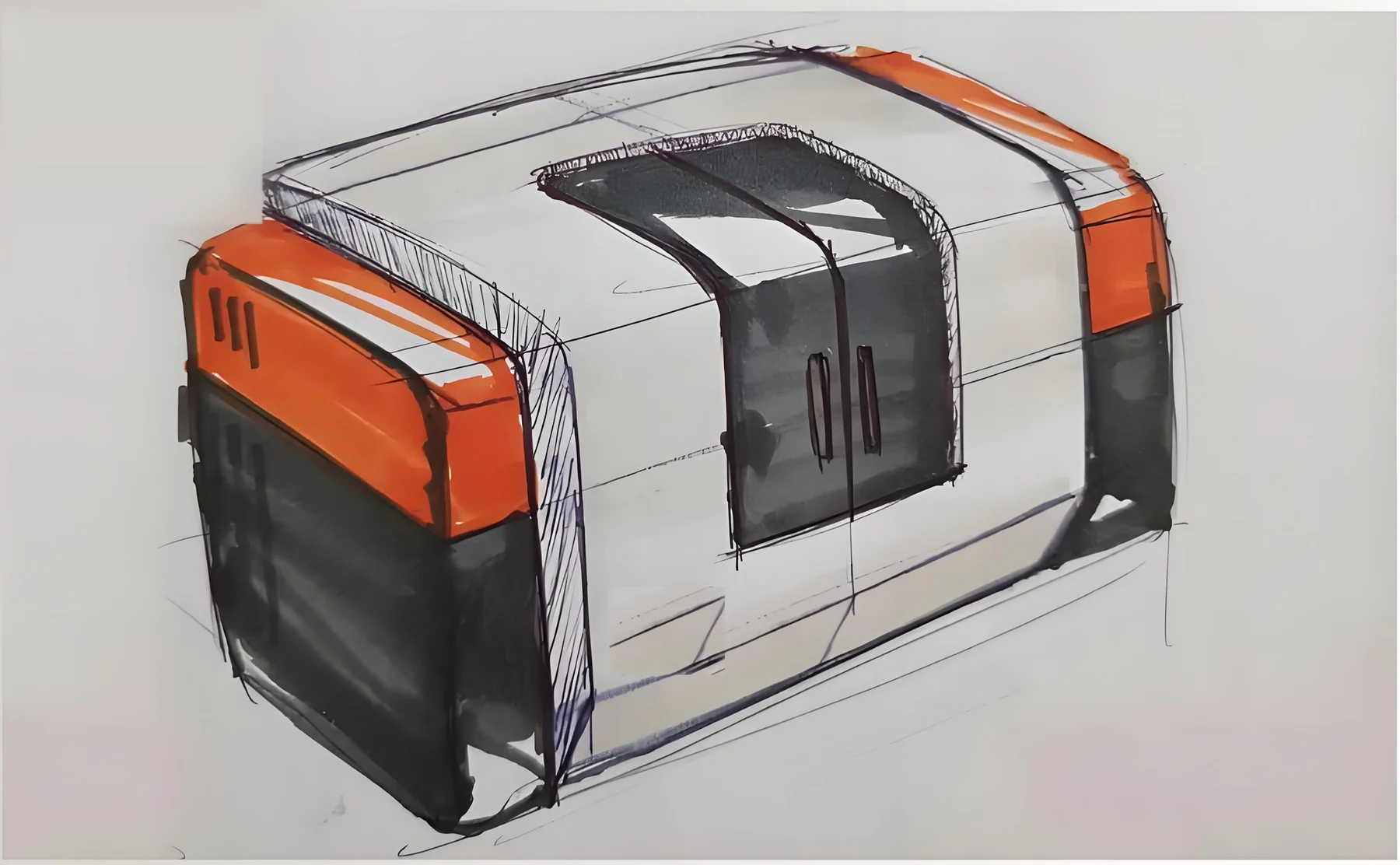
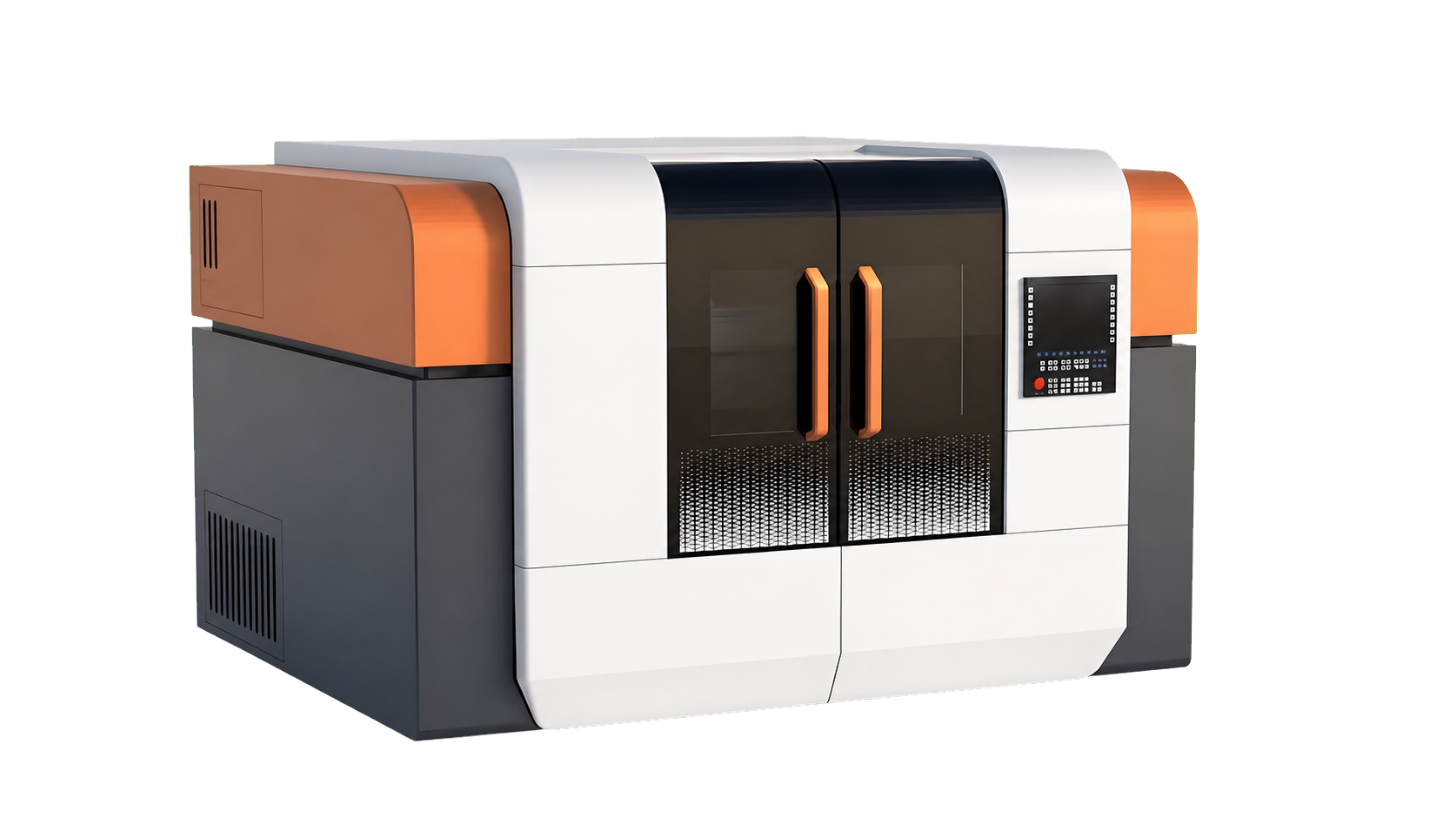
The product and its production method move together.
One engineer owns the complete path.
A factory normally gives you a salesperson and a process. CertaShift gives the product an engineering owner who connects the drawing, the build decisions and the approved result.
The CertaShift operating model
We define the method and make the core sheet-metal work in-house. When silk-screening, electroplating, anodizing or another specialist process is needed, we coordinate it for you.
One owner from drawing to repeat order
We check bend access, fastener order, critical interfaces, finish requirements and the decisions still missing from the build plan.
The same engineering owner stays with the projectCore sheet-metal work stays in-house. Specialized finishing is assigned only after the approved result and inspection points are clear.
Build here first, extend only where neededWe check fit, access, assembly order, key dimensions and appearance, then return the practical findings to your product decision.
One-piece prototypes and small batches are welcomeThe project record can retain settings, fixtures, inspection points, assembly notes, finish references and packaging requirements.
The approved sample becomes the known starting pointIn-house work and qualified specialists follow the same drawing version, checking method and accepted production sequence.
Every order strengthens the next oneDFM decisions from a real build sequence
The opening sat too close to a bend, the bend angle restricted installation, and the original self-clinching nut could lose its hold after forming. The prototype made all three risks visible before repeat production.
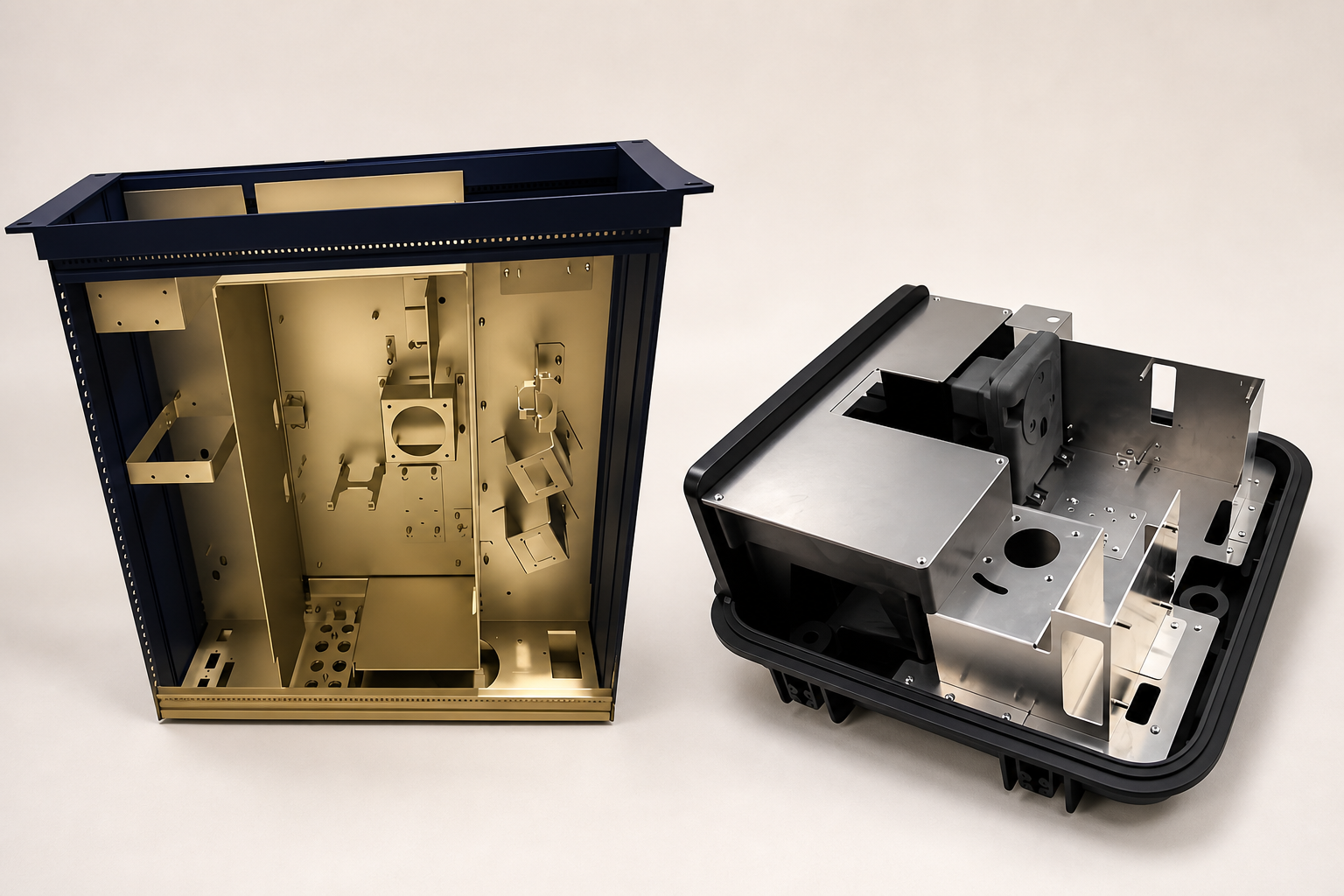
Bend distance
Assembly access
Fastener choice
Move it away from the bend line so forming does not stretch and distort the feature.
Open the bend angle enough for the part, tool and installer to reach the final position.
Use a blind rivet nut when a self-clinching nut may lose its hold after the panel is formed.
Cutting, bending, welding, grinding, assembly, inspection and packing remain part of one controlled production path.
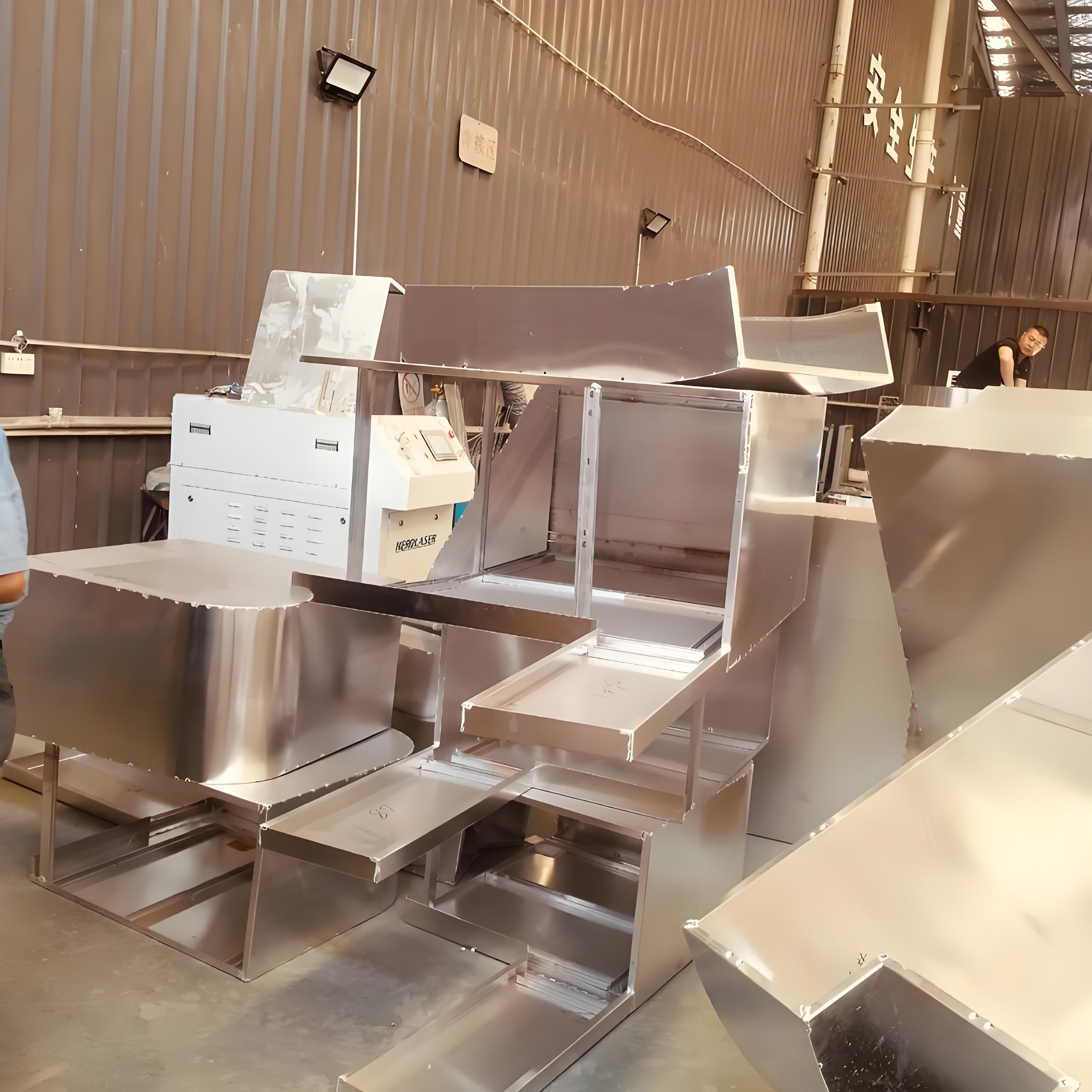
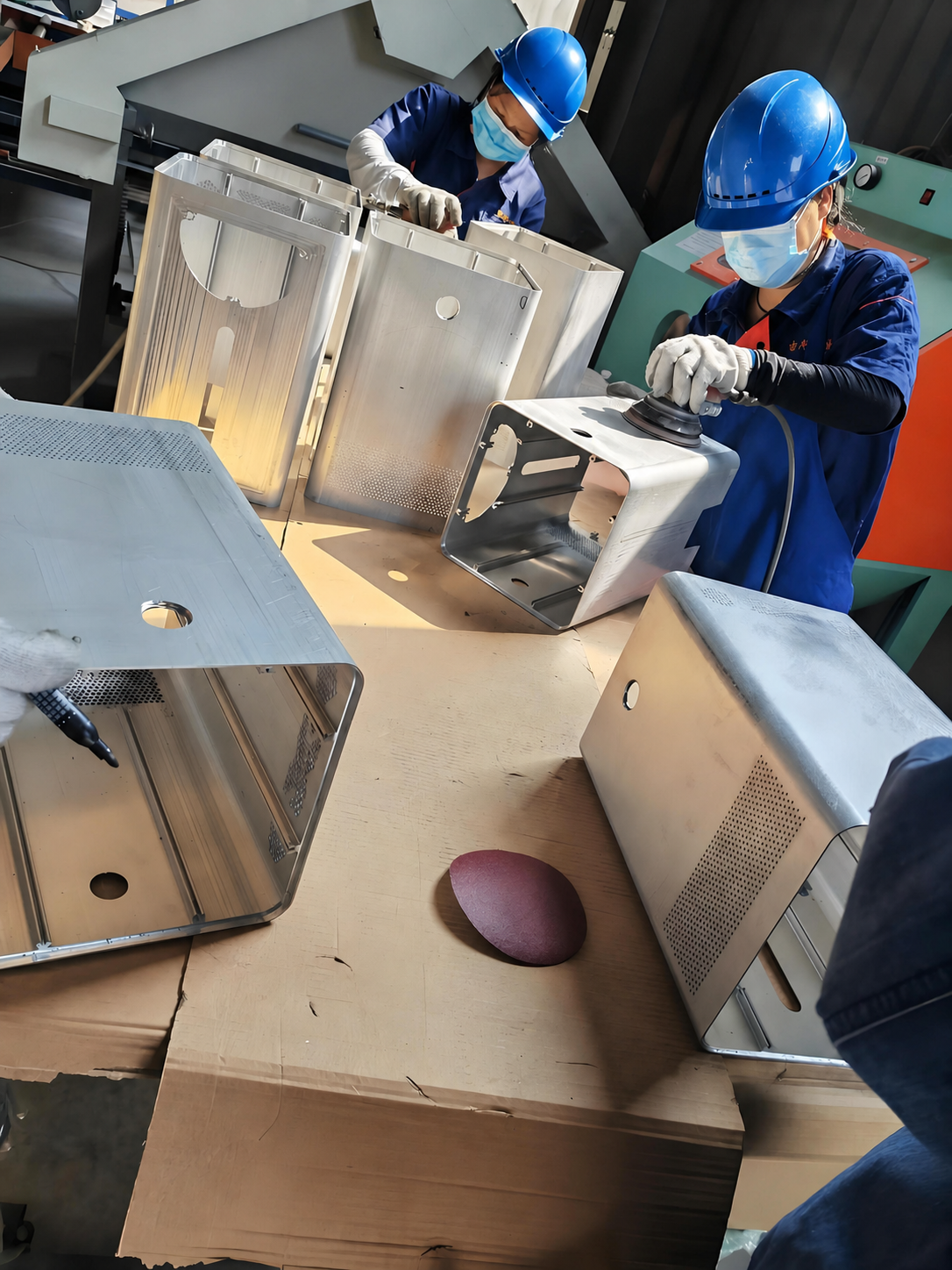
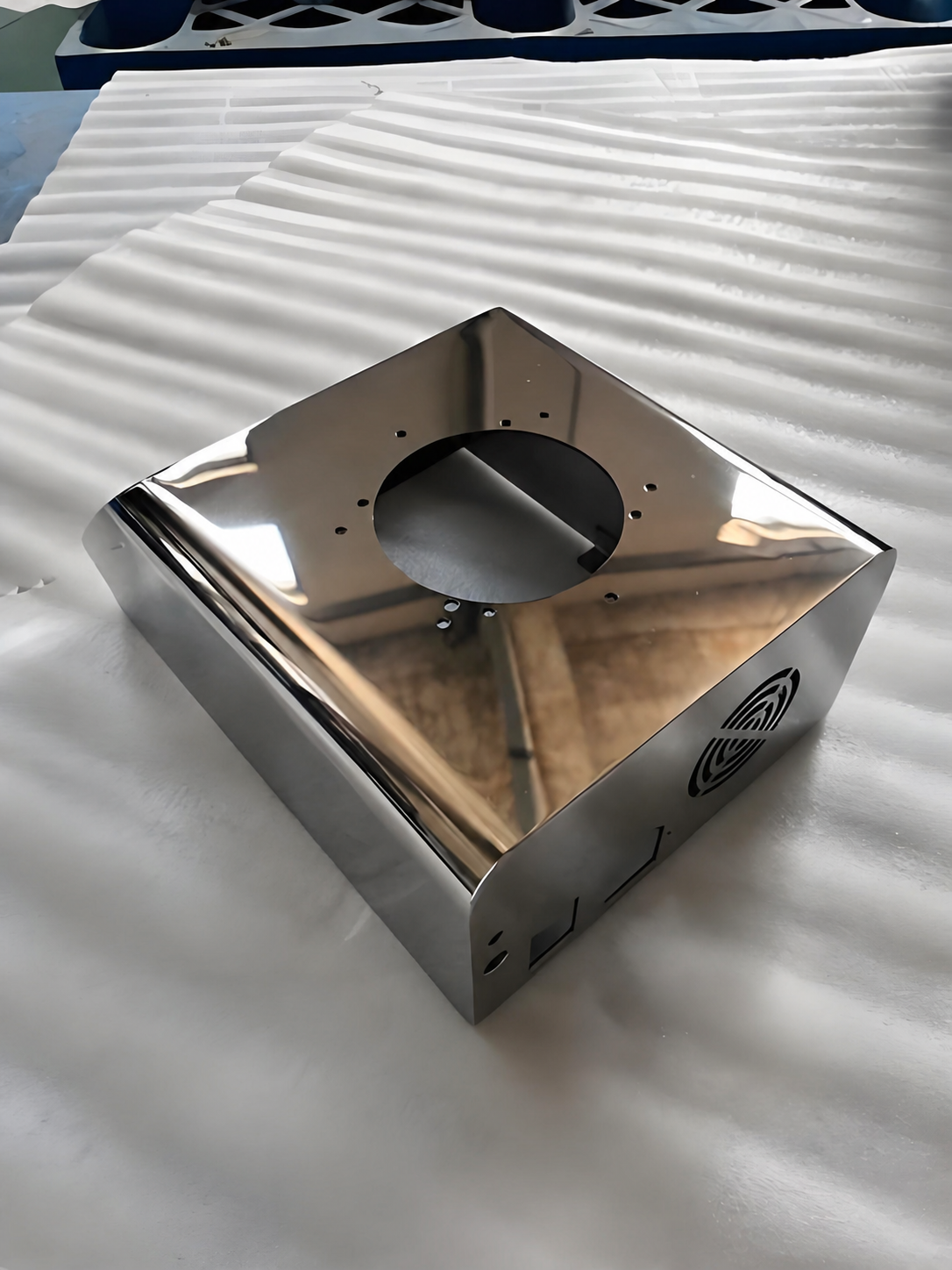
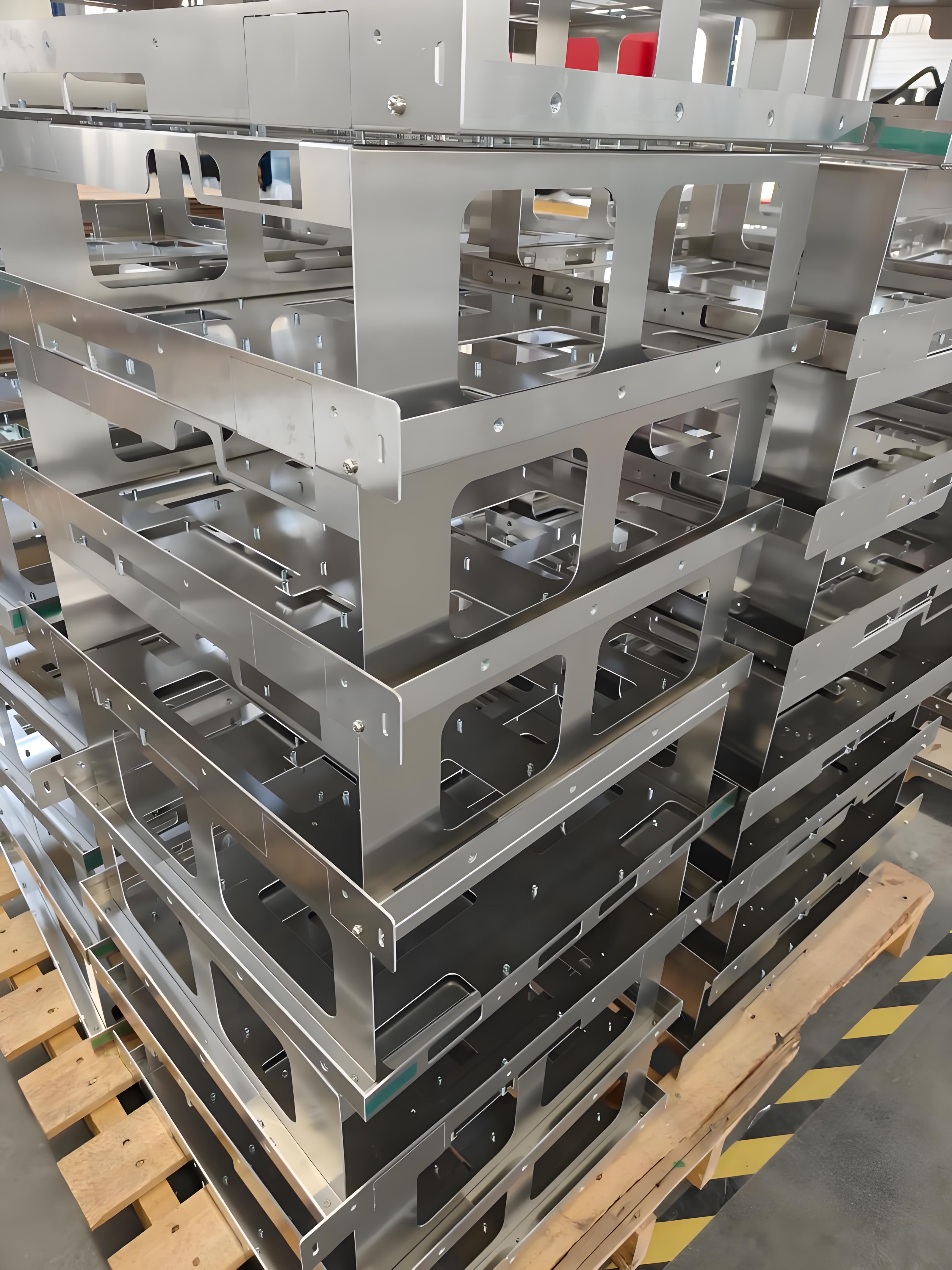
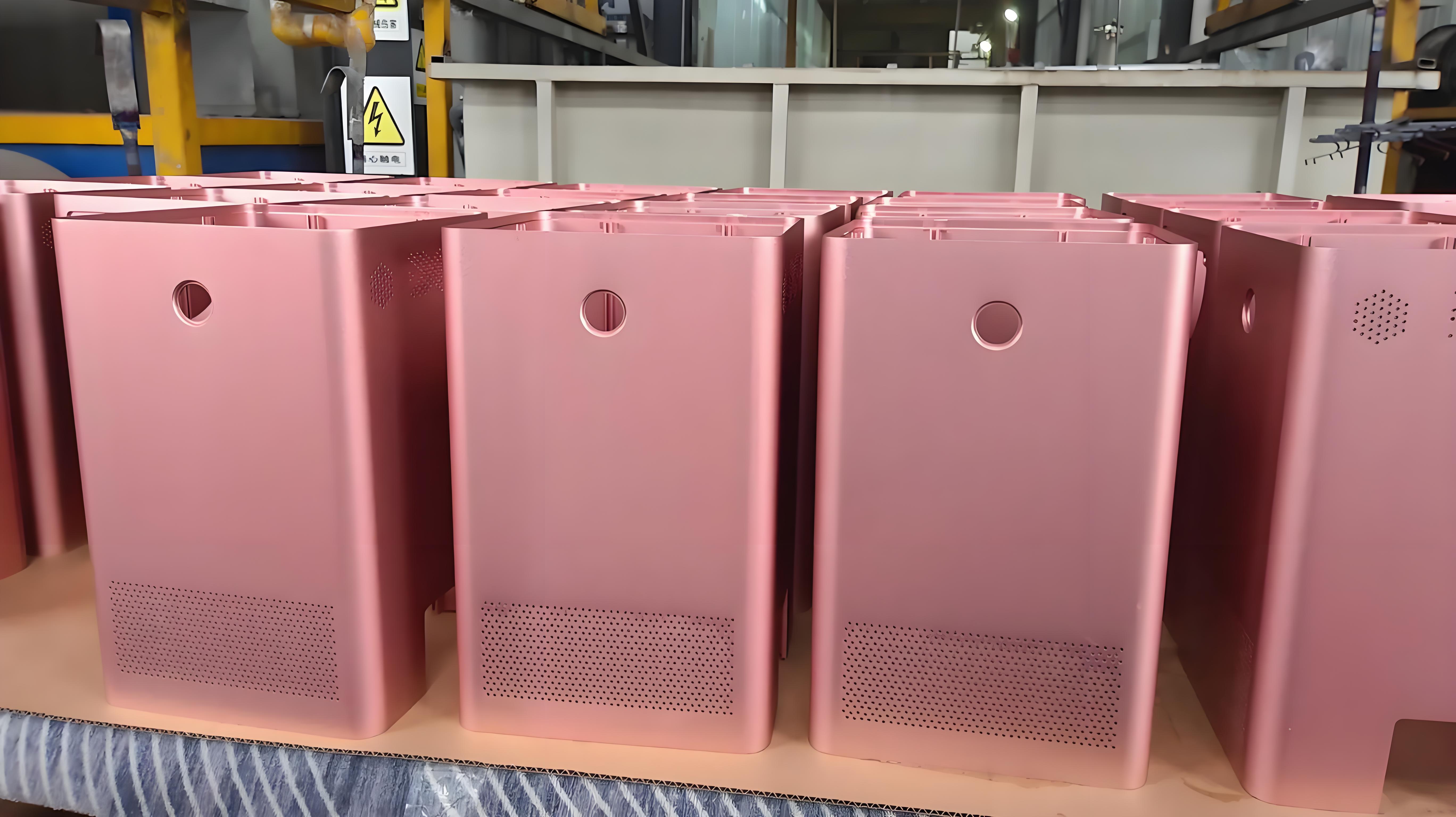
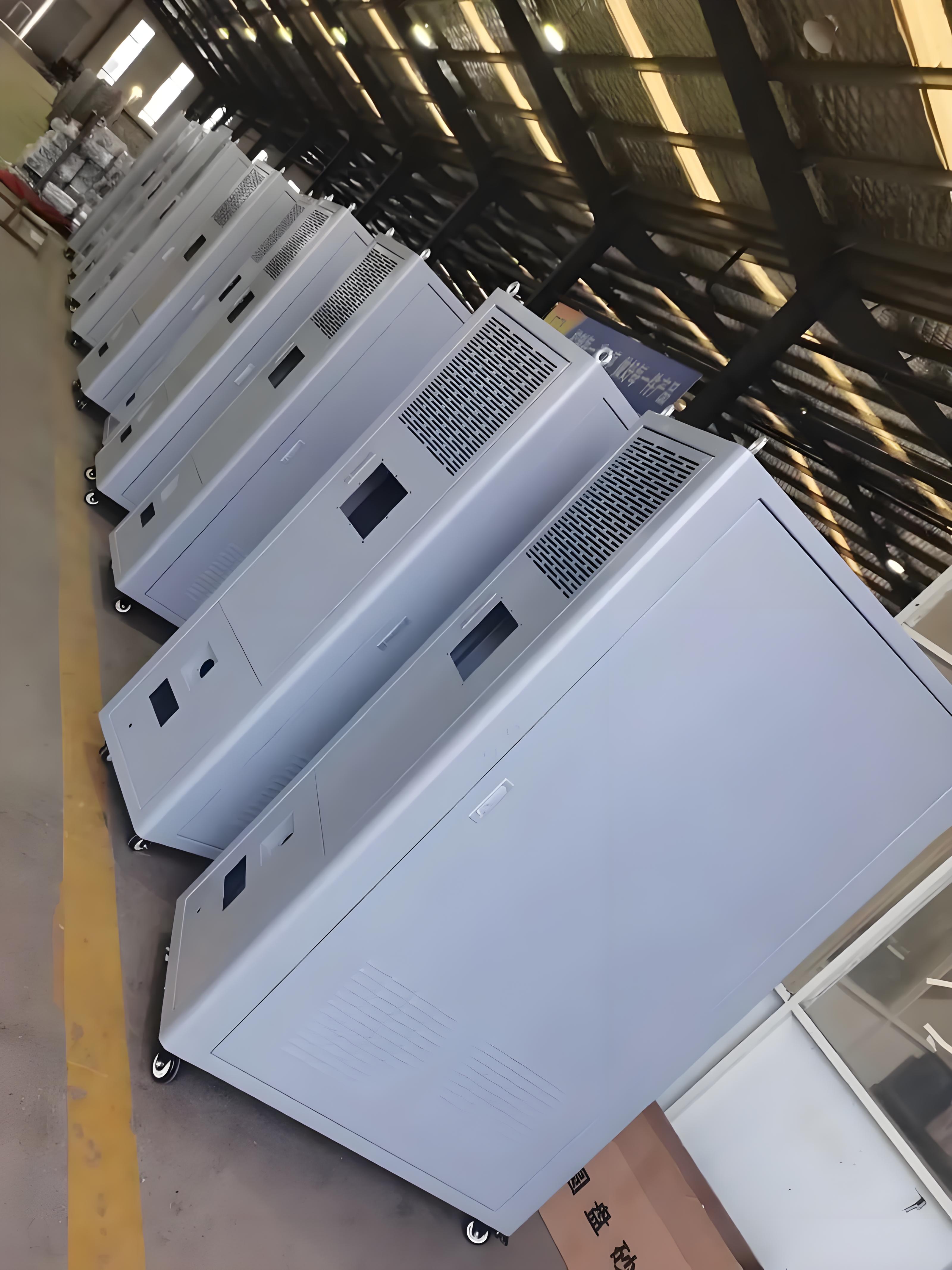
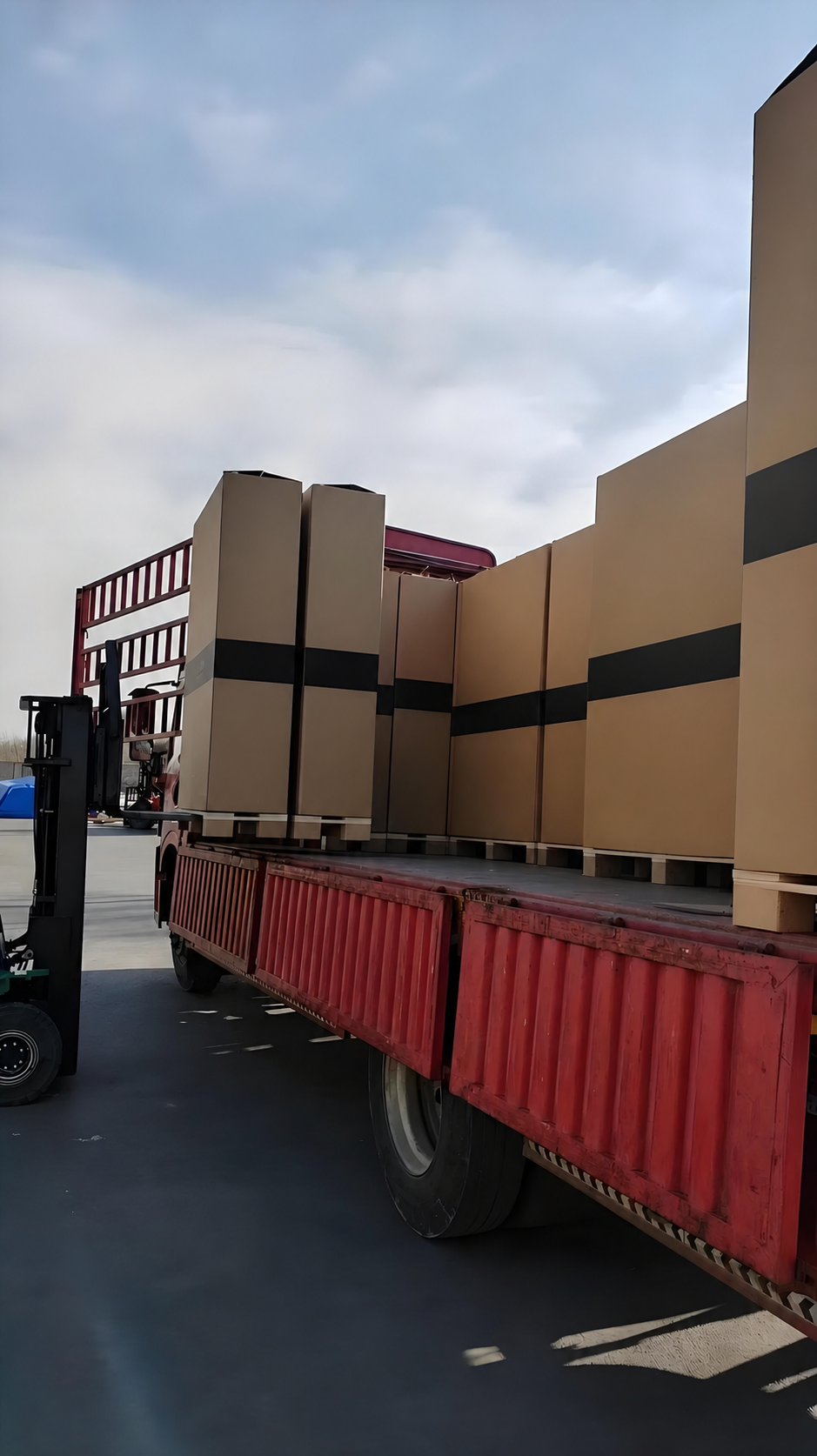
The drawing version, bend sequence, fastener choice, inspection points, finish reference and packing notes become the known starting point for the next order.
See how the next batch is controlledDrawing, sample photos and agreed acceptance points.
Fixtures, work notes, process order and checking method.
Each approved change becomes a new controlled version.
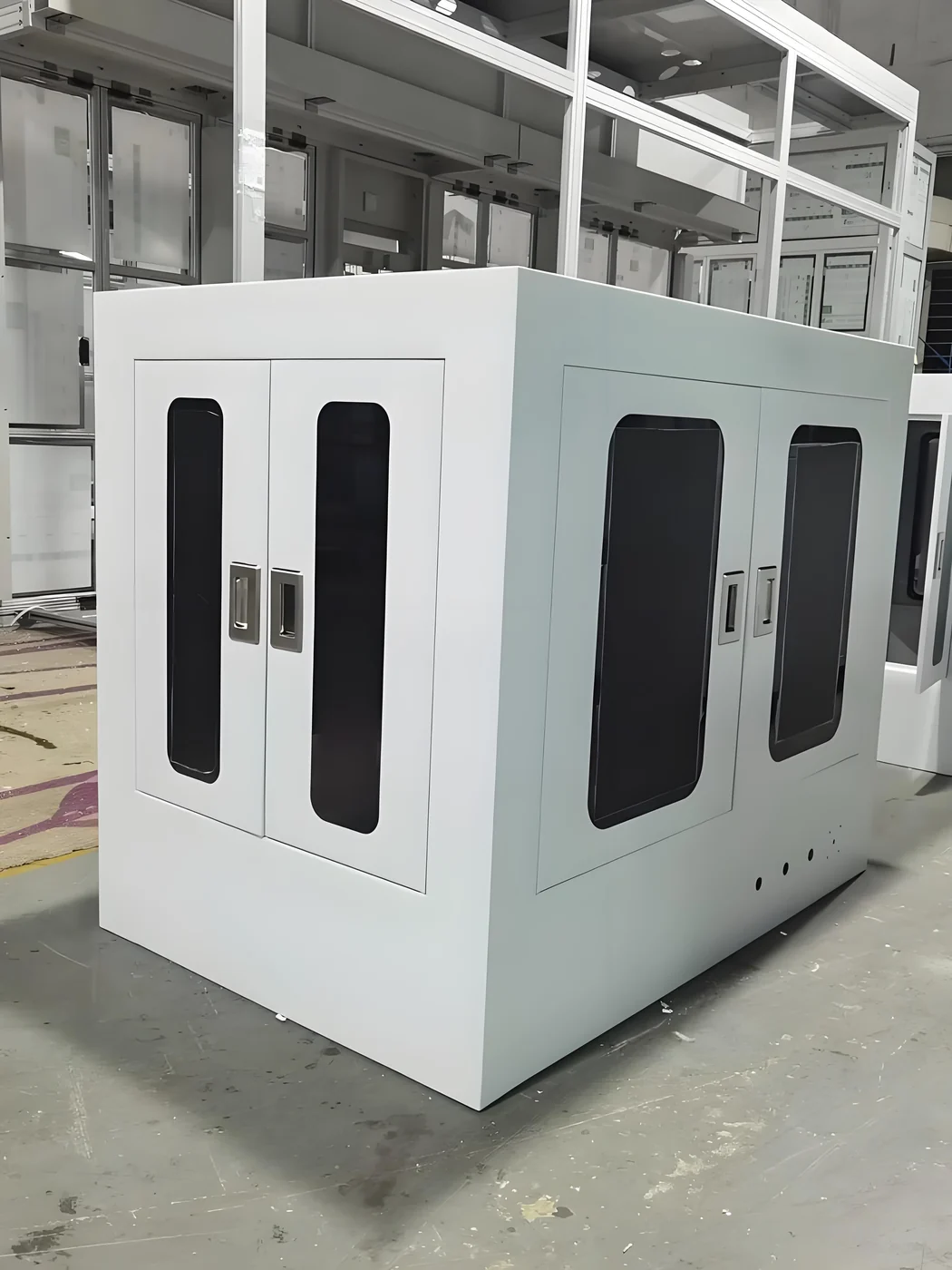
Core fabrication and assembly stay close to our engineering decisions. Silk-screening, electroplating, anodizing and specialist finishing are coordinated against the same approved version.
Your design is approved. Your client still needs a build partner who can carry it into reality.
Keep the client and design relationship. CertaShift owns DFM, prototyping, supplier coordination and the production record.
See how we work ↗Your team can develop the product, but cannot spend every week chasing factories and repairing handoffs.
One engineering owner connects the prototype, purchased parts, assembly, inspection and each approved change.
See how we work ↗Some projects do not fit a standard supplier relationship, but still need clear engineering ownership.
We can define a practical scope for prototyping, production support, supplier coordination or repeat-batch control.
See how we work ↗Agricultural equipment OEM / ODM
Start from a reference machine, target output or practical problem. We can refine the structure, make the prototype, assemble and inspect it, then prepare the work instructions for repeat production.
Explore OEM / ODM equipment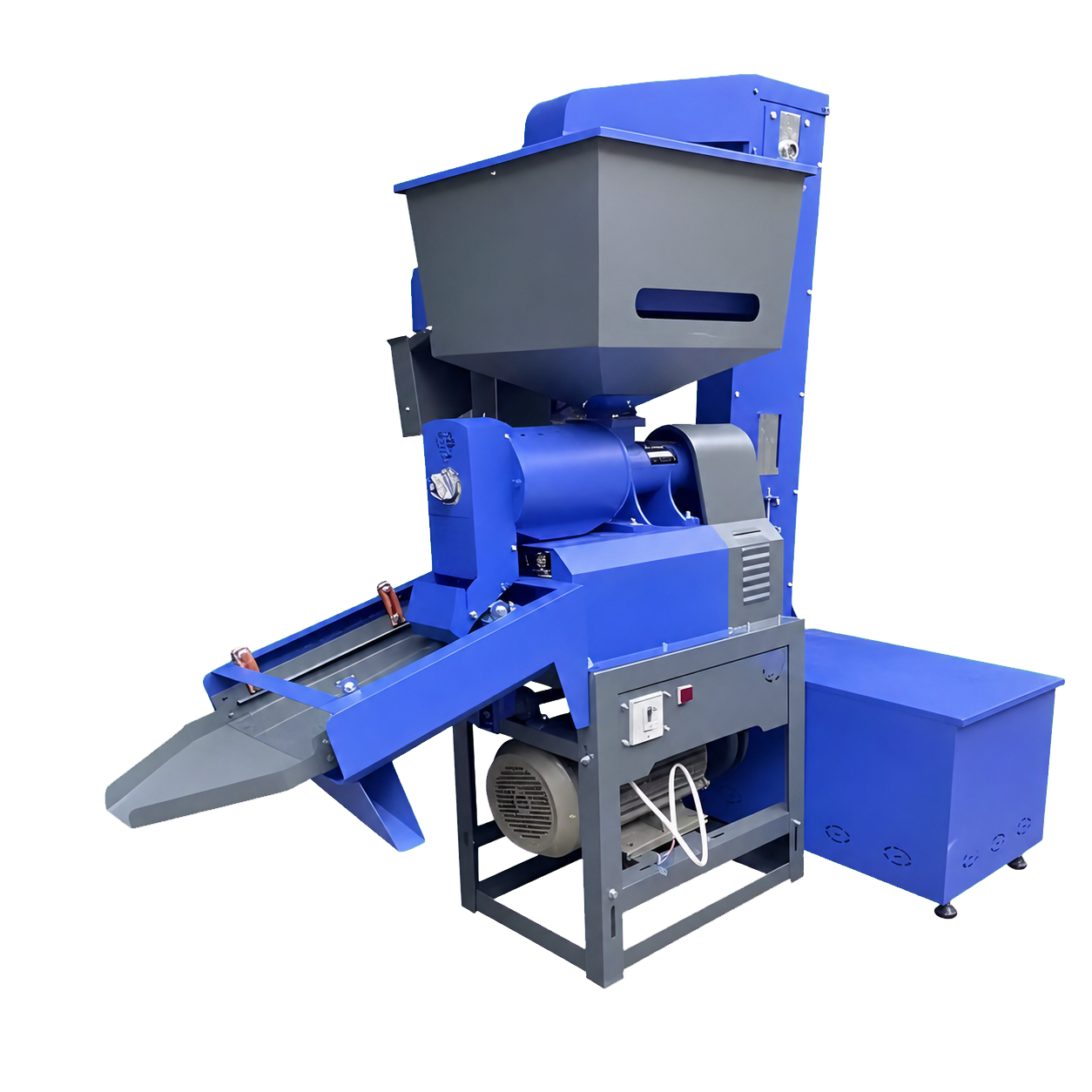
CAD, PDF, marked screenshot, reference image or sketch. Add quantity, material, finish and delivery location when available.